Home / Exterior House Painting in Santa Monica's Salt Air
Exterior House Painting in Santa Monica's Salt Air
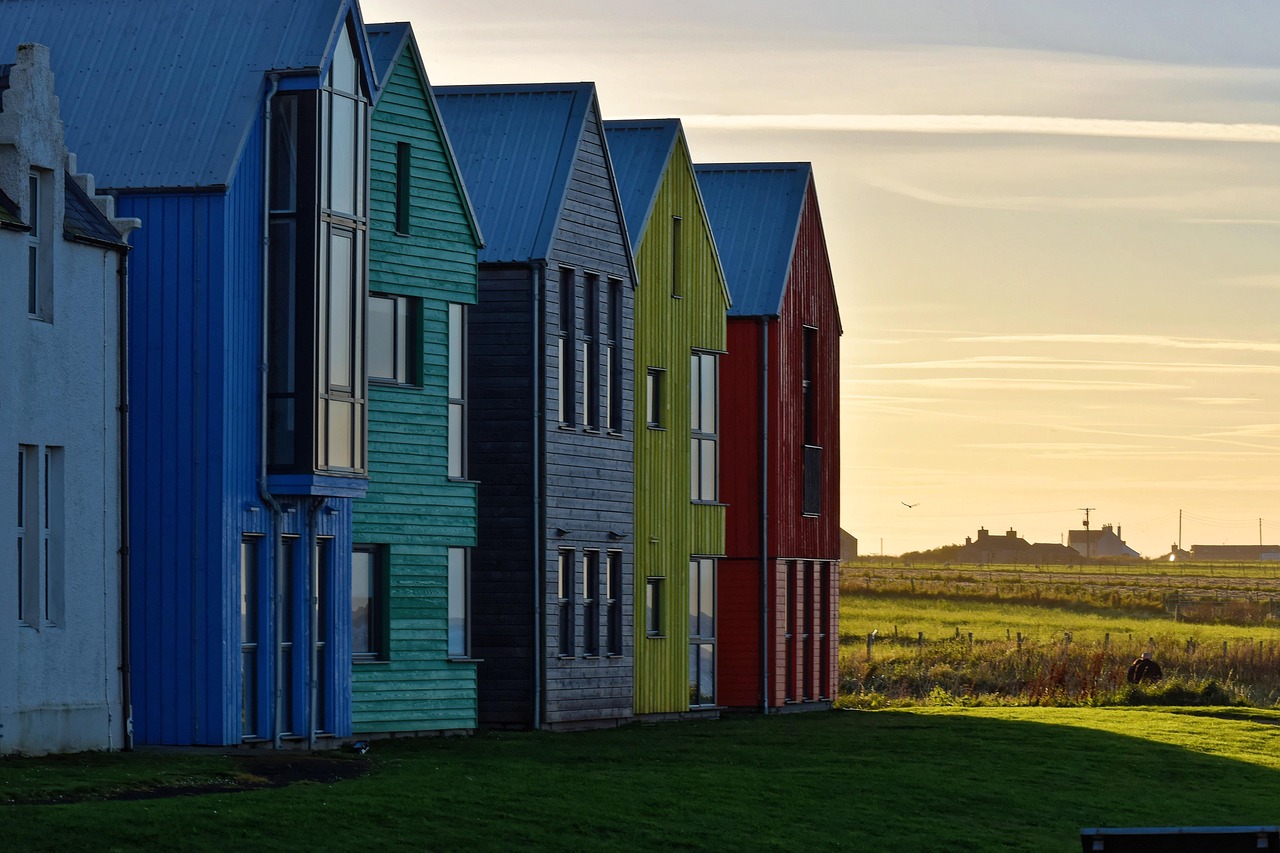
A house a few blocks from the sand in Santa Monica lives in a different weather system than a house in the valley over the hill. Mornings arrive under a gray marine layer that dampens every wall, the afternoon brings bright, low-angle sun that bleaches whatever faces west, and the wind carries a fine mist of salt from the Pacific that settles on every horizontal ledge. Those three forces, moisture, ultraviolet light and salt, decide how long an exterior paint job looks sharp and what should go into it.
Morning moisture and the marine layer
The marine layer is not rain, but it wets surfaces just the same. Overnight, the air near the water cools and holds a great deal of vapor, and by sunrise the siding, trim and stucco have taken some of it on. Walls on the shaded side of a house, especially those facing the narrow gaps between neighboring lots in Ocean Park, may stay damp until late morning and then drop back into dampness by evening. Paint applied to a surface that has not fully dried tends to trap that moisture, and the result shows up months later as blisters, peeling at the bottom edge of boards, or dark mildew streaks under eaves.
The practical answer is timing. A painter working near the coast watches the surface, not the clock. Wood should feel dry to the hand and read dry on a moisture meter before primer goes on, and stucco should be dry through its thickness, which takes longer than the skin suggests. On days when the fog lingers past noon, the work often starts on the walls that catch the sun first and moves to the shaded walls last. Skipping this patience is one of the most common reasons a freshly painted coastal house starts failing in the first two seasons.
What salt air actually does
Salt does not eat paint directly, but it attracts water and speeds up corrosion of anything metal. Gutters, downspout straps, window hardware, railing posts and the heads of exposed nails are the first places it shows. A rust bloom bleeding through a white trim board is a signal that a fastener was never sealed or that an old spot of exposed steel was painted over without treatment. Before color goes anywhere near these spots, they need to be cleaned back, treated with a rust-inhibiting primer, and in some cases replaced with a stainless or coated fastener.
Salt also leaves a film. On a stroll along Palisades Park or down toward Santa Monica State Beach, the railings and signs show a hazy white crust that wipes away with a wet cloth. The same film builds up on a house, especially on the side facing the prevailing onshore wind, and it prevents new paint from gripping. A thorough freshwater rinse, with a mild detergent where needed, is a standard step on a home within reach of the ocean breeze. Paint that bonds to salt rather than to the wall will lift in sheets the first time moisture gets behind it.
Sun, west-facing walls and fading
Southern California sun is intense for much of the year, and the Santa Monica shoreline adds reflected glare off the water and pale sidewalks. West and south walls take the longest daily dose, and their color changes first. Deep reds, strong blues and rich greens fade faster than neutrals because some pigments are less stable under ultraviolet light. An owner who picks a bold shade for a Montana Avenue storefront-style house should expect the street-facing wall to lighten before the sheltered one does, and should choose a high-quality resin and lightfast pigment line rather than a bargain can.
The binder in the paint breaks down too. Over many years sun and heat slowly degrade the film, and the surface begins to release a powdery residue that looks like chalk. That chalk is the first sign that the coating is near the end of its working life. A gentle hand rub on the wall, then looking at the palm, answers the question in seconds. Chalky paint can be washed and recoated, but it needs a proper bonding primer, because fresh paint applied over loose powder will not hold.
Matching materials to the house
Santa Monica streets mix several building types, and each wants a slightly different plan. Spanish revival homes and mid century stucco buildings rely on a masonry surface that must breathe and shed water. Craftsman bungalows near Main Street and the older blocks of Ocean Park rely on wood siding, shingles and wide trim that rot where water sits. Condominium buildings from the mid century decades often combine stucco, wood balconies and metal railings, which means three different preparation methods on one project.
- Stucco: look for hairline cracks, check for staining near the base where sprinklers hit, and use a coating that lets vapor pass through.
- Wood siding and trim: probe the bottom edges and window sills, replace soft sections, and prime every cut end.
- Metal: remove rust, apply a rust-inhibiting primer, and finish with a coating made for metal rather than whatever was left over from the walls.
Choosing a paint for a salty, sunny climate
For most walls a high-grade acrylic exterior paint is the sensible choice. It stays flexible as temperatures swing through the day, resists mildew when formulated for it, and rinses clean. Satin and low-sheen finishes shed dirt better than flat ones, while flat finishes hide wall imperfections better. A common compromise on a coastal house is a flat or matte sheen on large stucco walls and a satin or semi-gloss sheen on trim, doors and window frames, where handprints and moisture are more likely.
Primer deserves as much attention as the topcoat. Bare wood needs a penetrating, stain-blocking primer, and glossy older surfaces need a bonding primer. Skipping primer to save a day is the single easiest shortcut to spot in a failed job: the topcoat peels away in a clean sheet, leaving the previous layer or bare wood exposed.
A sensible maintenance rhythm
Exterior paint near the water benefits from light, regular care rather than an emergency every decade. Once a year, ideally after the dry months and before the damp season, walk the whole house. Rinse the walls with a garden hose and a soft brush, clearing the salt film and any early mildew. Check caulk lines around windows, doors and trim joints for gaps or cracks, since an open joint lets water behind the paint where it cannot be seen. Look at the bottom of fences, garage doors and wood gates, which suffer most from splashback and irrigation.
Touching up small failures early costs a fraction of waiting until an entire elevation peels. A single flaking window sill, dealt with in an afternoon, can prevent a rotted sill and a full replacement later. Owners near the Pier, where wind and spray are heaviest, sometimes inspect twice a year.
Curb appeal that survives the weather
Color matters too, though it should follow the science. Mid tones and warm neutrals hide salt streaks and dust better than pure white or near black. Light colors also reflect more heat and ease the stress on siding, which is why many coastal homes lean toward soft sand, pale gray, muted sage and gentle blue. Trim in a slightly lighter or crisper shade frames the house, and a strong accent on the front door gives the street something to remember. Walking the area around Third Street Promenade and the nearby residential blocks shows how well these quiet palettes hold up in coastal light, where sun and haze both soften colors.
Before choosing, brush a large sample onto the actual wall and watch it through a full day. A color that looks warm at noon may turn cool and gray under the morning marine layer, and a shade that glows at sunset may look flat at eight in the morning. Two or three large sample patches on different walls remove most of the guesswork.
What a good exterior job includes
Whether the house is a compact Craftsman or a larger stucco home near Pico Boulevard, the structure of a lasting job is the same. It begins with washing and drying, continues through scraping, sanding, repairs, spot priming and caulking, and only then reaches the finish coats. Most of the labor, and most of the durability, sits in the preparation. A painter who spends a day on prep before opening a color can often deliver ten years of service in a climate that otherwise punishes coatings.
In short, the marine layer teaches patience, the salt demands cleaning and rust control, and the sun rewards quality pigments and sensible color choices. A Santa Monica exterior that respects all three keeps its good looks long after a hastily painted neighbor has started to chalk, peel and streak.