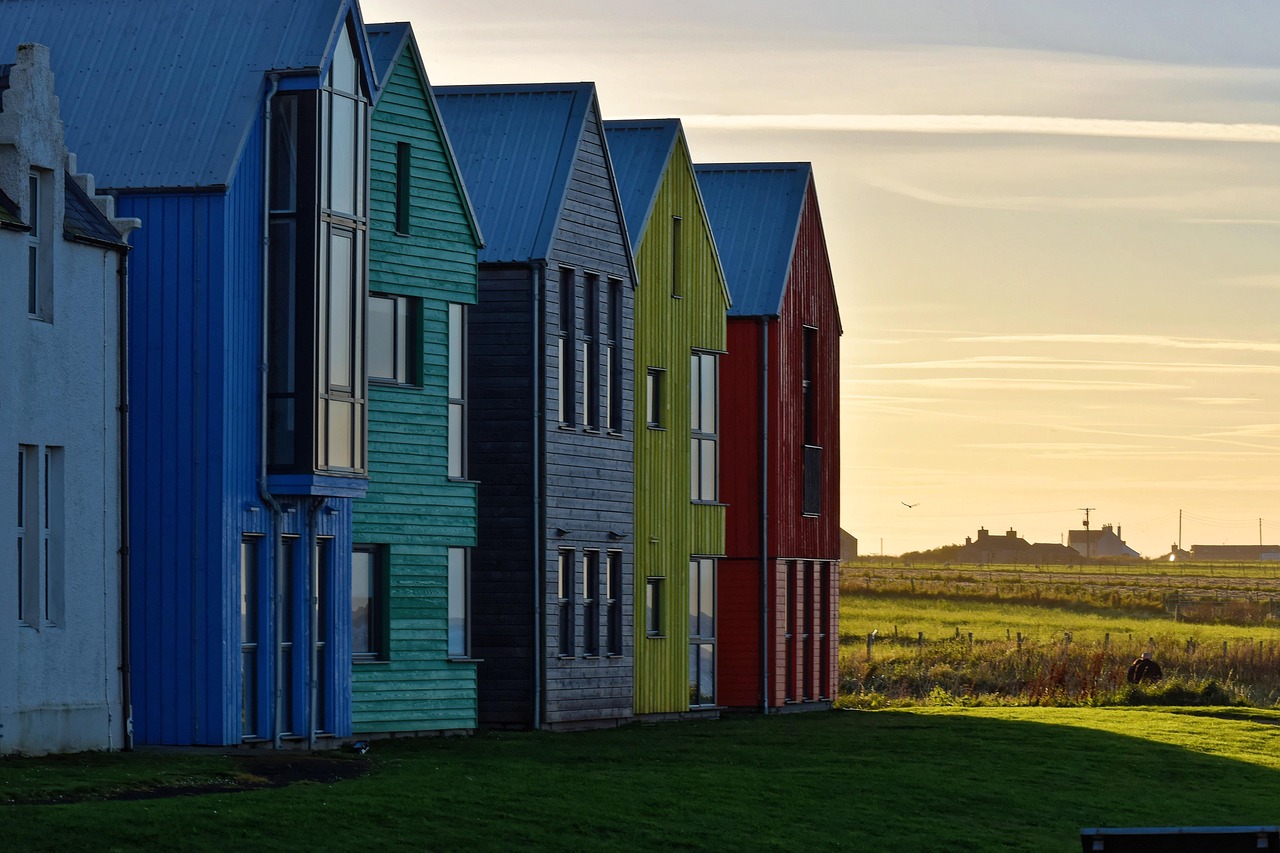
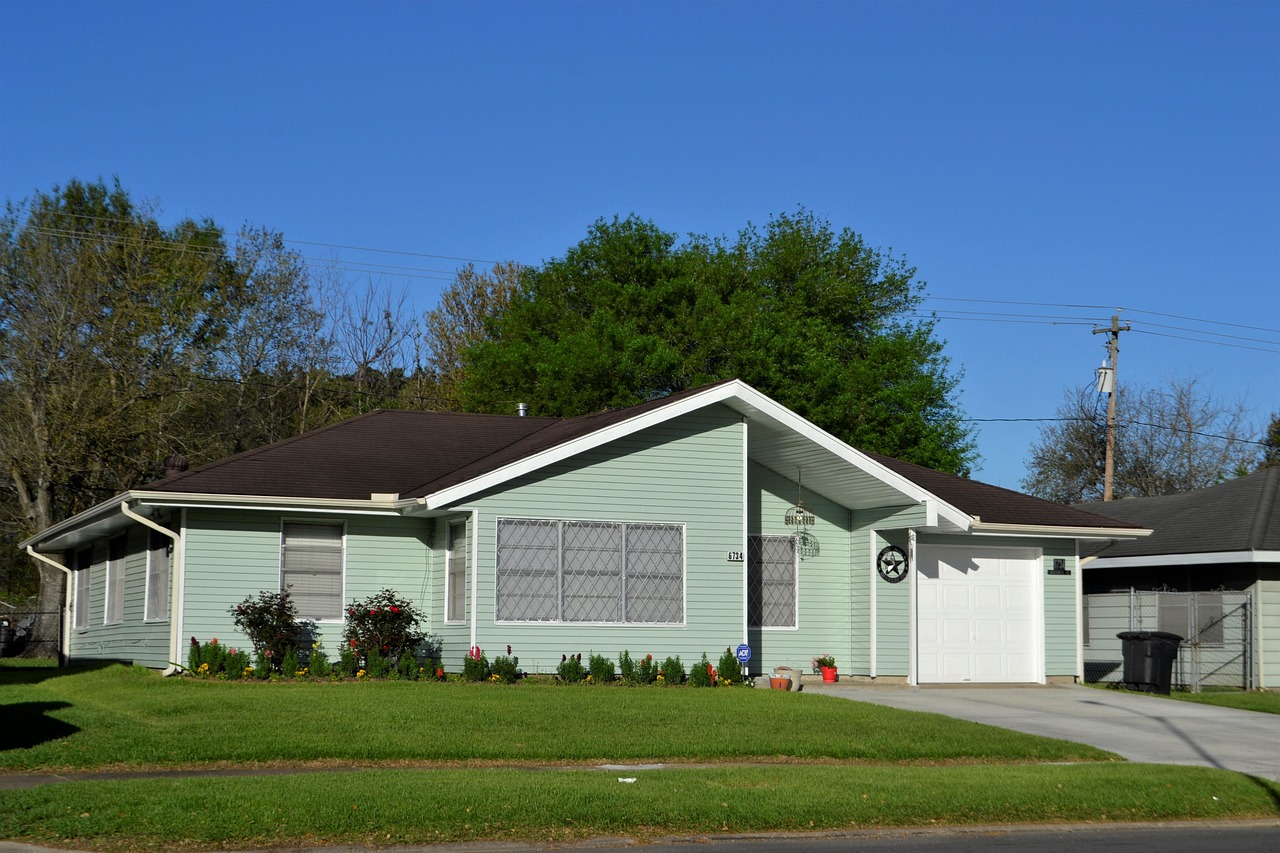
Santa Monica House Journal is a local resource covering house painting in Santa Monica, CA. The guides below explain materials, typical costs, local considerations, and how the work is usually done.
A house a few blocks from the sand in Santa Monica lives in a different weather system than a house in the valley over the hill. Mornings arrive under a gray marine layer that dampens every wall, the afternoon brings bright, low-angle sun that bleaches whatever faces west, and the wind carries a fine mist of salt from the Pacific that settles on every horizontal ledge. Those three forces, moisture, ultraviolet light and salt, decide how long an exterior paint job looks sharp and what should go into it.
Morning moisture and the marine layer
The marine layer is not rain, but it wets surfaces just the same. Overnight, the air near the water cools and holds a great deal of vapor, and by sunrise the siding, trim and stucco have taken some of it on. Walls on the shaded side of a house, especially those facing the narrow gaps between neighboring lots in Ocean Park, may stay damp until late morning and then drop back into dampness by evening. Paint applied to a surface that has not fully dried tends to trap that moisture, and the result shows up months later as blisters, peeling at the bottom edge of boards, or dark mildew streaks under eaves.
The practical answer is timing. A painter working near the coast watches the surface, not the clock. Wood should feel dry to the hand and read dry on a moisture meter before primer goes on, and stucco should be dry through its thickness, which takes longer than the skin suggests. On days when the fog lingers past noon, the work often starts on the walls that catch the sun first and moves to the shaded walls last. Skipping this patience is one of the most common reasons a freshly painted coastal house starts failing in the first two seasons.
What salt air actually does
Salt does not eat paint directly, but it attracts water and speeds up corrosion of anything metal. Gutters, downspout straps, window hardware, railing posts and the heads of exposed nails are the first places it shows. A rust bloom bleeding through a white trim board is a signal that a fastener was never sealed or that an old spot of exposed steel was painted over without treatment. Before color goes anywhere near these spots, they need to be cleaned back, treated with a rust-inhibiting primer, and in some cases replaced with a stainless or coated fastener.
Salt also leaves a film. On a stroll along Palisades Park or down toward Santa Monica State Beach, the railings and signs show a hazy white crust that wipes away with a wet cloth. The same film builds up on a house, especially on the side facing the prevailing onshore wind, and it prevents new paint from gripping. A thorough freshwater rinse, with a mild detergent where needed, is a standard step on a home within reach of the ocean breeze. Paint that bonds to salt rather than to the wall will lift in sheets the first time moisture gets behind it.
Sun, west-facing walls and fading
Southern California sun is intense for much of the year, and the Santa Monica shoreline adds reflected glare off the water and pale sidewalks. West and south walls take the longest daily dose, and their color changes first. Deep reds, strong blues and rich greens fade faster than neutrals because some pigments are less stable under ultraviolet light. An owner who picks a bold shade for a Montana Avenue storefront-style house should expect the street-facing wall to lighten before the sheltered one does, and should choose a high-quality resin and lightfast pigment line rather than a bargain can.
The binder in the paint breaks down too. Over many years sun and heat slowly degrade the film, and the surface begins to release a powdery residue that looks like chalk. That chalk is the first sign that the coating is near the end of its working life. A gentle hand rub on the wall, then looking at the palm, answers the question in seconds. Chalky paint can be washed and recoated, but it needs a proper bonding primer, because fresh paint applied over loose powder will not hold.
Matching materials to the house
Santa Monica streets mix several building types, and each wants a slightly different plan. Spanish revival homes and mid century stucco buildings rely on a masonry surface that must breathe and shed water. Craftsman bungalows near Main Street and the older blocks of Ocean Park rely on wood siding, shingles and wide trim that rot where water sits. Condominium buildings from the mid century decades often combine stucco, wood balconies and metal railings, which means three different preparation methods on one project.
Stucco: look for hairline cracks, check for staining near the base where sprinklers hit, and use a coating that lets vapor pass through.
Wood siding and trim: probe the bottom edges and window sills, replace soft sections, and prime every cut end.
Metal: remove rust, apply a rust-inhibiting primer, and finish with a coating made for metal rather than whatever was left over from the walls.
Choosing a paint for a salty, sunny climate
For most walls a high-grade acrylic exterior paint is the sensible choice. It stays flexible as temperatures swing through the day, resists mildew when formulated for it, and rinses clean. Satin and low-sheen finishes shed dirt better than flat ones, while flat finishes hide wall imperfections better. A common compromise on a coastal house is a flat or matte sheen on large stucco walls and a satin or semi-gloss sheen on trim, doors and window frames, where handprints and moisture are more likely.
Primer deserves as much attention as the topcoat. Bare wood needs a penetrating, stain-blocking primer, and glossy older surfaces need a bonding primer. Skipping primer to save a day is the single easiest shortcut to spot in a failed job: the topcoat peels away in a clean sheet, leaving the previous layer or bare wood exposed.
A sensible maintenance rhythm
Exterior paint near the water benefits from light, regular care rather than an emergency every decade. Once a year, ideally after the dry months and before the damp season, walk the whole house. Rinse the walls with a garden hose and a soft brush, clearing the salt film and any early mildew. Check caulk lines around windows, doors and trim joints for gaps or cracks, since an open joint lets water behind the paint where it cannot be seen. Look at the bottom of fences, garage doors and wood gates, which suffer most from splashback and irrigation.
Touching up small failures early costs a fraction of waiting until an entire elevation peels. A single flaking window sill, dealt with in an afternoon, can prevent a rotted sill and a full replacement later. Owners near the Pier, where wind and spray are heaviest, sometimes inspect twice a year.
Curb appeal that survives the weather
Color matters too, though it should follow the science. Mid tones and warm neutrals hide salt streaks and dust better than pure white or near black. Light colors also reflect more heat and ease the stress on siding, which is why many coastal homes lean toward soft sand, pale gray, muted sage and gentle blue. Trim in a slightly lighter or crisper shade frames the house, and a strong accent on the front door gives the street something to remember. Walking the area around Third Street Promenade and the nearby residential blocks shows how well these quiet palettes hold up in coastal light, where sun and haze both soften colors.
Before choosing, brush a large sample onto the actual wall and watch it through a full day. A color that looks warm at noon may turn cool and gray under the morning marine layer, and a shade that glows at sunset may look flat at eight in the morning. Two or three large sample patches on different walls remove most of the guesswork.
What a good exterior job includes
Whether the house is a compact Craftsman or a larger stucco home near Pico Boulevard, the structure of a lasting job is the same. It begins with washing and drying, continues through scraping, sanding, repairs, spot priming and caulking, and only then reaches the finish coats. Most of the labor, and most of the durability, sits in the preparation. A painter who spends a day on prep before opening a color can often deliver ten years of service in a climate that otherwise punishes coatings.
In short, the marine layer teaches patience, the salt demands cleaning and rust control, and the sun rewards quality pigments and sensible color choices. A Santa Monica exterior that respects all three keeps its good looks long after a hastily painted neighbor has started to chalk, peel and streak.
Walk the side streets of Ocean Park toward Main Street and the same material keeps appearing: stucco, in smooth coats, sand-textured coats, and the swirled finishes typical of Spanish revival houses with their arched doorways and clay-tile roof edges. Stucco is a cement-based skin, and it behaves nothing like wood. It is hard, porous and slightly alkaline, and it moves with the seasons in tiny increments. Anyone planning to repaint a Santa Monica stucco house should understand those traits first, because most failures on this material come from treating it like a wall of drywall.
Reading the wall before choosing a product
A walk around the house with a notepad tells most of the story. Start at the base of the walls. Stucco that stays damp at the foundation, often from sprinkler overspray or soil piled against it, shows dark patches, white crystalline deposits and sometimes crumbling. The white crystals are mineral salts carried out by moisture, and painting over them without solving the moisture source simply pushes the problem into the new coat.
Next, look at the field of the wall. Fine hairline cracks are normal as a house settles and as the cement cures and dries through its life. Wider cracks, especially ones that run diagonally from the corners of windows and doors, deserve attention, since they let rain and fog drip into the wall. Tap the surface lightly with a knuckle: a hollow sound suggests the stucco has separated from the backing and needs a repair before paint, not after.
Finally, rub the wall with a dark cloth. Chalky residue means the old paint is aging. Bare, thirsty patches that darken instantly when sprayed with water mean the surface is highly absorbent and will need a sealing primer so the finish coat does not dry unevenly.
Cracks: patch, caulk or bridge
Different cracks need different treatment, and an owner can save money by matching the method to the width.
Hairline cracks, thinner than a credit card edge, are often filled by a flexible, high-build coating applied across the whole wall, or by a brushed-in masonry filler.
Medium cracks, wide enough to catch a fingernail, are routed slightly, cleaned of dust, and filled with a paintable elastic sealant, then smoothed to blend with the texture.
Large cracks and sections that sound hollow need a patch of fresh stucco mix, textured to match the neighboring surface and allowed to cure fully before primer.
Matching texture is the hard part of patching. A smooth patch on a sand-finish wall shows up like a bandage once the paint is on, especially in raking light. Skilled finishers dab, float or stipple the patch so it blends, then confirm it in the late afternoon sun, when texture is most visible.
Breathable versus blocking coatings
Stucco takes on vapor from inside the house and from the damp coastal air, and it needs to release it. A thick, rubbery coating that blocks vapor can trap moisture in the wall, leading to blisters and, over time, deterioration of the stucco itself. A vapor-permeable acrylic masonry paint lets that moisture escape while still repelling liquid water. The balance between waterproofing and breathing is the central choice in any stucco repaint.
Flexible, stretchy coatings have a place on walls with many fine cracks, because they can bridge them. Even so, they should be applied as directed and not layered on thickly across an entire damp wall without checking how the building drains. When in doubt on an older Spanish revival house, a high-quality acrylic masonry coating after good crack repair is the conservative route.
Cleaning and priming a salt-touched surface
Ocean Park sits close to the water, and the breeze leaves a faint saline film on stucco. That film, along with dust and the algae that grows on shady north walls, has to come off. A low-pressure wash with a mild cleaner, followed by a clean rinse and a full dry, prepares the surface. High pressure is a mistake on older stucco: it can erode the surface, open pores and drive water into the wall.
Once the wall is dry, a masonry primer or sealer evens out the absorbency. On previously painted stucco in sound condition, a bonding primer suffices. On bare or patched areas, an alkali-resistant primer is the safer choice, because fresh cement is strongly alkaline and can attack ordinary primers. Skipping this step is a frequent cause of patchy color, where the repaired spots stay visibly different from the rest of the wall.
Spanish revival details that need hand work
Stucco homes in Santa Monica rarely stop at flat wall. They carry wrought iron balcony rails, wood lintels over doors, exposed beams under eaves, decorative tile accents and arched openings with rounded edges. Each is its own small project. Iron needs rust removal and a metal primer. Exposed wood beams and window frames need the same inspection for softness that any wood receives. Stucco meeting wood trim forms a joint that should be sealed with an elastic caulk, otherwise water slips into the gap every time the marine layer rolls in.
It also pays to protect surfaces that are not being painted. Clay tile, stone sills, decorative ceramic and windows are masked or covered, since dried paint on glazed tile is tedious to remove without damaging it. Masking tape on textured stucco rarely seals perfectly, so cutting in by hand along the edges is common.
Mid century stucco apartments and condos
Many buildings around Pico Boulevard and the quieter blocks near Main Street date from the mid century decades, with flat roof lines, simple rectangular walls and stucco that has been repainted several times. Layers of old paint can fill the texture and soften the wall's character, and if the coating is peeling in sheets it is usually a bonding problem from a previous job. The remedy is to remove loose material back to a firm edge, feather the transition so no ridge shows, prime, and recoat.
Repainting a multi-unit building also raises logistics. Balconies, stair landings and shared walls must be scheduled around residents, and color choices need approval from an association in many cases. Specifying the exact product, sheen and color number in writing avoids mismatched touch-ups years later.
Choosing color and sheen for stucco
Texture changes how color reads. A rough wall throws tiny shadows, which makes the color look slightly deeper than the chip suggested. A smooth wall reflects more light and looks brighter. Warm whites, sand, pale terracotta and soft ochre have long suited Spanish revival architecture, and they hold up well in bright coastal sun since pale mid-tone colors fade less visibly. Very dark stucco absorbs heat, can emphasize hairline cracks, and tends to show salt film more than a lighter tone.
Flat and matte finishes are the traditional choice on stucco because they hide surface irregularities. A slightly higher sheen sheds dirt more easily but can reveal every dent in the texture. For trim, doors and wrought iron, a satin or semi-gloss finish stands out and cleans easily.
Timing, weather and drying
Because stucco is thick and porous, it holds water longer than it appears to. After a damp week or a long morning of fog, the surface may feel dry while the interior is not. Painting too early traps that moisture. Many painters schedule stucco work for the drier months and start on sun-warmed walls after the fog burns off. They also avoid applying paint in direct, hot afternoon sun, which dries the surface too quickly and weakens the bond.
Questions to settle before the first coat
Where does water come from, and has the source, such as a leaking gutter or overspray, been corrected?
Which cracks are cosmetic and which signal movement or water entry?
Will the chosen coating breathe, and is it compatible with what is already on the wall?
Has a sample patch been tested on the actual wall and viewed in morning and late afternoon light?
Are iron, wood and tile details planned as separate tasks?
A stucco home near the beach is a long-term investment, and the best repaint respects its masonry nature. Correct the moisture, repair the cracks properly, choose a coating that lets the wall breathe, and the result can hold its appearance through many marine layer mornings and bright Ocean Park afternoons.
A Craftsman bungalow is built from layers: a low roof with deep eaves, tapered porch columns, exposed rafter tails, shingled gables, wide window casings, and a porch that acts as an outdoor room. Those layers are the reason the style is so rewarding to paint, and so easy to get wrong. A bungalow on the quiet streets north of Montana Avenue or in the older blocks of Ocean Park has maybe five distinct surfaces that each want a color decision. Treat them as one flat wall and the character disappears.
Think in three roles: body, trim, accent
Painters and color consultants describe most historic exteriors with three roles. The body is the largest field, the siding or shingles. The trim is everything that frames it: corner boards, window and door casings, fascia, porch rails and the thick horizontal bands. The accent is the small, deliberate pop, usually the front door, sometimes window sashes or the underside of the porch ceiling.
On a Craftsman, a fourth role often appears: the secondary body color. Gable ends and shingled upper stories are frequently painted a shade lighter or darker than the main siding to separate the roof level from the living level. Rafter tails and brackets may take the trim color or a deeper tone. Deciding these roles on paper before buying paint is cheaper than repainting a porch that looked right on a chip and wrong on the house.
Palettes that suit the style
Craftsman design grew from the arts and crafts movement, which favored natural materials and earthy tones. Traditional palettes borrow from the landscape: moss and olive greens, warm browns, clay and brick reds, deep golden ochre, and muted slate or storm blues. Trim in cream, warm ivory or a pale stone gives the structure a defined frame without the starkness of pure white.
Coastal bungalows also suit a softer approach. Sage and gray-green bodies pair well with palm trees, ocean haze and garden plantings. Heathered gray-blue bungalows echo the water without turning into a beach cottage cliché. A deeper charcoal body with cream trim can look striking, though dark bodies bring the heat considerations that come with direct sun exposure.
Olive or moss body, cream trim, rust or deep red door.
Warm taupe body, ivory trim, dark green accent.
Slate blue body, pale stone trim, mustard or copper door.
Soft sage body, white-cream trim, charcoal door and window sash.
How coastal light shifts a color
Light at the Santa Monica shoreline is unusual. Early in the day the marine layer behaves like a giant diffuser, making everything cool, bluish and flat. By early afternoon, once the haze clears, the sun is bright and warm, and white and pale colors can glare. At the end of the day, low sun from over the Pacific turns beige into gold and greens into olive.
The effect on paint is predictable. Cool grays and blues look even cooler and sometimes lifeless in morning haze. Warm browns and greens gain depth and richness. Pale yellows can look washed out in bright sun and muddy in fog. For that reason, color samples should be judged at several hours on at least two walls, one facing the sun and one in shade. A sample taped to the wall and viewed through the whole day is worth more than any chip inspected in a hardware aisle.
Reflected light matters as well. Houses with light sidewalks, white fences or a neighbor's pale wall nearby bounce extra brightness onto the paint, which makes colors look lighter and less saturated. Mature trees do the opposite, throwing green shadows that can push neutral colors toward olive.
Contrast between body and trim
The most common mistake on a bungalow is trim that is nearly identical to the siding. Without contrast the details that make the style special, the window surrounds, the knee braces and the porch beams, simply vanish. A visible but gentle step in value, meaning lightness or darkness, usually does the work. If the body is a mid-tone green, trim a few steps lighter in cream will frame it. If the body is pale, trim can go darker.
The opposite mistake is too much contrast. Bright white trim on a deep brown body produces a harsh outline that looks pasted on, especially in strong sun. Softening the white to a warm cream usually restores harmony. Looking at old photographs of nearby bungalows, or at well preserved examples along residential streets within a short walk of Third Street Promenade, shows how restrained the original contrast tended to be.
Where the accent goes
The front door is the natural focus. Rich red, deep teal, mustard, dark green, and even a polished natural wood tone can all work with a Craftsman body. Beyond the door, accents can appear on porch ceiling boards, window sashes, or the grillwork in the gable. Keeping the accent to one or two spots matters. Spread across too many elements it becomes busy and stops functioning as an accent.
Many older homes traditionally painted porch ceilings a pale blue or soft green. The custom has practical roots and visual appeal, and it glows pleasantly in filtered afternoon light on a shaded porch.
Sheen and surface by element
Different elements want different finishes. Siding and shingles look best in a low-sheen or satin finish that does not exaggerate board seams. Trim, windows and doors benefit from a semi-gloss or satin enamel, which resists moisture, wipes clean and highlights profile. Porch floors need a floor-rated coating with some grip. Rafter tails and exposed beams, which weather harder than anything else on the house, benefit from a penetrating primer and two full coats, brushed so the paint reaches the end grain.
On shingles, brushing or back-brushing after spraying pushes the coating into every gap. Shingle courses collect dust and salt, so cleaning before painting is essential.
Preservation and the neighborhood
Santa Monica has historic districts and landmark properties, and owners of older bungalows sometimes learn that exterior changes need review. It is sensible to check with the city planning office about any restrictions before settling on a dramatic repaint, even though routine color changes on most private homes are not usually restricted. Beyond rules, there is the simple matter of fit: a bungalow flanked by neighbors in soft earth tones will look more at home in similar colors than in a vivid, unrelated shade.
Walking Montana Avenue and the surrounding residential blocks gives a useful education. Notice which houses look settled and which look dated. The best ones usually have a clear hierarchy, a calm body, defined trim, and one confident accent.
A simple decision path
Photograph the house in morning haze and in late afternoon sun.
Choose the body color first, ideally a mid-tone that suits sun fade and salt streaks.
Choose trim two or three steps lighter or darker, warm rather than stark.
Pick one accent and test it on the door only.
Paint large sample boards and view them over several days, then commit.
Done carefully, a Craftsman exterior in Santa Monica repays the effort for years. The structure already holds the personality; the paint only needs to bring out each layer clearly, in light that changes by the hour.